
Things to Do in Plovdiv in March
March weather, activities, events & insider tips
Low Season · Budget Friendly
March Weather in Plovdiv
Long-run averages for March
56°F (13°C)
High Temp
35°F (2°C)
Low Temp
1.5 inches (38 mm)
Rainfall
70%
Humidity
4
Sunny-Day UV
⚠ Early March cold snaps can push overnight temperatures several degrees below the 2°C (35°F) average low, occasionally reaching -5°C (23°F) or colder. The Old Town's north-facing cobblestoned lanes develop a hard frost layer before sunrise that persists until mid-morning, making walking treacherous on the steeper sections. Grip-soled shoes are not optional if you plan to be out before 10 AM.
Is March Right for You?
Weigh the advantages and considerations before booking
Advantages
- + Plovdiv's major sites are practically yours alone in March. The Roman Theatre of Philippopolis, the Old Town's Revival-era houses, the Ancient Stadium beneath Glavnata, all of them draw summer crowds that simply do not exist yet. You can sit in the stone tiers of the theatre and hear nothing but wind and pigeons. That is how a 2nd-century amphitheatre deserves to be experienced.
- + March 1 brings Baba Marta, Bulgaria's most beloved spring tradition. Plovdiv celebrates it with a warmth that borders on giddiness. Red-and-white martenitsi appear on every wrist, lapel, and rearview mirror in the city overnight. Street vendors line Glavnata and the lanes of Kapana selling handmade ones. Strangers will pin them on you if you look like you are missing out. It is one of the few tourist-season moments that is entirely unperformative. Bulgarians do this for each other. You are simply welcome to join.
- + Plovdiv in March is likely the most affordable time to visit one of Europe's oldest continuously inhabited cities. Accommodation rates sit well below their June-through-September peaks. Restaurants that would require a wait in summer have open tables at dinner. Bulgaria is already one of Europe's most budget-friendly destinations. March pushes it further into the territory of inexpensive travel.
- + The light in early spring is extraordinary for photography. The Thracian Plain stretching north from Plovdiv's hills catches a low, golden quality in the morning. Summer's overhead glare burns this out entirely. The Old Town's painted facades, ochre, terracotta, Prussian blue, look richer under overcast skies than they do in flat sunshine. The bare trees on the hills frame the skyline instead of obscuring it.
Considerations
- − Mornings near 2°C (35°F) feel cold. The wind that funnels between Plovdiv's hills can sharpen that further. The Old Town's cobblestones hold overnight frost until well past 9 AM on the north-facing lanes. Early starts become slippery and uncomfortable. If you are not prepared to layer seriously, the first hour of the day will test your patience.
- − A fair number of Plovdiv's rooftop bars and outdoor terrace restaurants remain shuttered until April or even May. The city's warm-weather social life, which is a significant part of its character, is still dormant in March. Kapana's indoor cafes and wine bars fill the gap. The atmosphere is quieter and more inward-looking than the open-air energy that defines Plovdiv in summer.
- − Daylight hours are still limited compared to the long June evenings. Sunset falls around 6:30 PM in early March, stretching toward 7:15 PM by month's end. That compresses the useful sightseeing window. This matters for hilltop viewpoints like Nebet Tepe, where the light fades fast once the sun drops behind the Rhodope ridgeline to the southwest.
Best Activities in March
Top things to do during your visit
March arrives in Plovdiv with the quiet persistence of a season that hasn't decided what it wants. Daytime temperatures climb toward 13°C, warm enough to walk the cobbled slopes of the Old Town without heavy layers. But mornings still bite at 2°C. The chill lingers in the shadows of the Roman Stadium long after the sun clears the hills. Rainfall stays modest at around 38 mm for the month, arriving in brief, scattered showers rather than sustained downpours. The air carries something mineral and cool, cut with woodsmoke from older neighborhoods where coal and timber still heat a handful of houses. Plovdiv's famous plane trees along the Maritsa are still bare, their branches sketching dark geometries against pale skies. By the last week of March, the first green haze appears on the willows near the rowing canal. This city rewards the unhurried visitor. March gives you something the high season cannot: solitude in the places that matter. The Ancient Theatre empties out by midafternoon. The galleries along Saborna Street keep their doors open but their rooms quiet. Locals are still in winter rhythms, filling the mehanas for long lunches of kavarma and shopska salata, lingering over coffee at narrow cafés tucked beneath Nebet Tepe. The Kapana district, Plovdiv's creative quarter, hums at a lower frequency now. Its murals and craft shops are easier to absorb without the press of summer crowds. Restaurants serve hearty soups, slow-braised meats, and winter salads dressed with walnut oil and pomegranate, the tail end of a kitchen calendar that will pivot toward lighter dishes once April's warmth settles in. Evenings cool rapidly after sunset. The city's nightlife concentrates indoors, in wine bars along Knyaz Alexander I and basement clubs near the university, where local wines from the Thracian Valley are poured generously and conversation carries a warmth the outside air does not. The drive south from Sofia takes roughly two hours through the Thracian Plain, the landscape still winter-brown but brightening at the edges. Plovdiv's position in the Upper Thracian Lowland means it warms faster than the capital, and by late March the difference is palpable. This is a city built on seven hills, layered with Roman, Ottoman, and Bulgarian Revival architecture in a way that feels less curated than lived-in, the strata of twenty-three centuries visible in a single street. March strips away the performative and leaves the structural. What remains is one of the most rewarding cultural destinations in southeastern Europe.

Food Walk: Bulgarian Food and Culture Tour in Plovdiv
foodThreads through the Kapana district and the Old Town's sloping lanes, pausing at family-run bakeries where banitsa emerges from the oven in flaky, cheese-filled spirals, and at market stalls where vendors slice lukanka, the dry-cured salami pressed flat and dusted with a faint bloom of white mold. The tour moves beyond tasting into context, explaining why Plovdiv's food traditions sit at the crossroads of Thracian, Ottoman, and Slavic kitchens, and how the city's location in the fertile Maritsa valley shaped what ended up on the table. You will taste sharp, brined sirene cheese, sip thick Turkish-style coffee prepared in a copper cezve, and try lyutenitsa, the roasted pepper and tomato relish that every Bulgarian household puts up in autumn and serves through the cold months.
A guided route through Plovdiv's food culture that connects the flavors on the plate to the Ottoman caravanserais and Thracian vineyards that shaped them.
Insider tip: Eat lightly before the tour and wear shoes that grip on cobblestones, because the Old Town's stone-paved streets get slippery when damp from March showers.

Plovdiv, Asen's Fortress and Bachkovo Monastery small group tour with pickup
culturalCarries you south into the Rhodope foothills, where the landscape tilts sharply upward and the air thins and cools. Asen's Fortress clings to a limestone cliff above the Chepelare River, its medieval walls emerging from the rock as though they grew there, and from the ramparts the valley below develops in layers of grey and green, the river cutting a white line through the gorge. Bachkovo Monastery, founded in 1083, sits in a narrow valley fragrant with incense and damp stone, its courtyard frescoes depicting saints with almond-shaped eyes in the distinct style of the Plovdiv school of painting, their pigments still vivid against the monastery's weathered walls.
Two of Bulgaria's most significant medieval sites compressed into a single day, with the Rhodope mountain scenery as a dramatic third character.
Insider tip: The monastery's refectory frescoes are often overlooked by visitors who stop only at the main church. Ask your guide to include them, as the painted Tree of Jesse cycle on the refectory ceiling is among the finest in the country.
This month: The fortress walkways can be icy in early March mornings when overnight temperatures drop below freezing. Bring sturdy footwear with ankle support.

E-Motorcycle Tour in Rhodope Mountains to a Beautiful Canyon View
adventurePuts you on a silent electric motorcycle climbing switchback roads into the western Rhodopes, where pine forests give way to exposed ridgelines and the canyon below opens like a geological cross-section, its layered rock faces banded in ochre, grey, and rust. The absence of engine noise is the point: you hear wind in the pines, the crack of a branch under snow weight, the distant rush of water in the gorge below. The route follows mountain roads that see little traffic even in summer and virtually none in March, passing through small villages where smoke curls from chimneys and dogs watch from stone walls.
The electric motorcycles turn a mountain ride into something closer to a nature immersion, where the silence lets you hear the landscape instead of drowning it out.
Insider tip: Dress in wind-resistant layers even if the Plovdiv forecast looks mild. The mountain elevations are significantly colder, and wind chill on a motorcycle at speed can drop the perceived temperature well below the 2°C valley low.
This month: Temperatures in the Rhodope highlands can sit several degrees below the Plovdiv valley floor. Confirm road conditions with the operator before booking, as late-season snowfall occasionally closes the higher passes.

Plovdiv Full-Day Small-Group Tour from Sofia with Pickup
day_tripSolves the logistical puzzle of reaching Plovdiv without a rental car, collecting you from Sofia and delivering you into the Old Town's cobbled maze by mid-morning. The route south crosses the Thracian Plain, and the guide uses the drive to frame what you are about to see: the Roman amphitheatre built into the hillside during the reign of Trajan, the painted houses of the Bulgarian Revival period with their cantilevered upper floors leaning over the narrow streets, and the Ottoman-era Dzhumaya Mosque anchoring the pedestrian zone below. By the time you step out onto the Roman Stadium ruins exposed beneath the main shopping street, you already understand how Plovdiv accumulated its layers.
The most efficient way to experience Plovdiv from a Sofia base, with a guide who stitches together the Roman, Ottoman, and Revival periods into a coherent narrative as you walk.
Insider tip: Ask the guide to include a stop at the Ethnographic Museum inside the Kuyumdzhioglu House. The painted ceiling in the main reception room, with its depiction of Plovdiv as a walled city, is one of the finest examples of Bulgarian Revival decorative art.

Roman Plovdiv, Self-Guided Tour and Urban Quest Game
guided_experienceHands you a smartphone-based route that traces the Roman footprint across the modern city, turning a walk past the Ancient Theatre, the Stadium, and the Forum into a series of puzzles and historical prompts that force you to look more carefully than you would on your own. You will stand in the Stadium's exposed marble seating, still embedded beneath Dzhumaya Square, and try to reconstruct its original 30,000-seat capacity from the fragment visible between the modern buildings. The route pulls you into corners of the Roman city that guided tours sometimes skip, including sections of the Forum complex near the Central Post Office where column bases and mosaic fragments sit in the open, largely unnoticed by passersby.
A self-paced way to decode Plovdiv's Roman skeleton without a guide, where the game mechanics reward close observation of details most visitors walk past.
Insider tip: Start early and allow extra time at the Ancient Theatre, where the quest prompts you to identify specific architectural features in the scaenae frons. Morning light rakes across the carved stone and makes the details legible in a way that flat midday sun does not.

Plovdiv Sightseeing private walking tour
walking_tourAdapts to your interests. But the bones of the route take you up Nebet Tepe, the oldest of Plovdiv's seven hills, where Thracian, Roman, and medieval fortifications layer on top of one another and the panorama sweeps from the Rhodope foothills to the south across the city's terracotta roofs and church domes to the Maritsa river plain in the north. From there you descend through the Old Town, past the asymmetrical Revival houses where every facade tells a story of the merchant who commissioned it, their ornamental plasterwork and painted exteriors preserved in the dry continental air. The guide's local knowledge turns architectural details into human stories, pointing out the house where a tobacco merchant displayed his wealth in carved wooden ceilings, or the church built below street level because Ottoman law forbade Christian structures from rising higher than mosques.
A private guide who calibrates the depth and pace to your curiosity, turning Plovdiv's layered history from backdrop into the main event.
Insider tip: Request the route that includes Trakart, the underground gallery beneath a commercial building on Knyaz Boris I street, where in-situ Roman mosaics from a fourth-century villa are displayed exactly where they were excavated, lit from below through glass floors.
Where to Stay in Plovdiv in March
Hand-picked hotels across price tiers for March travellers.
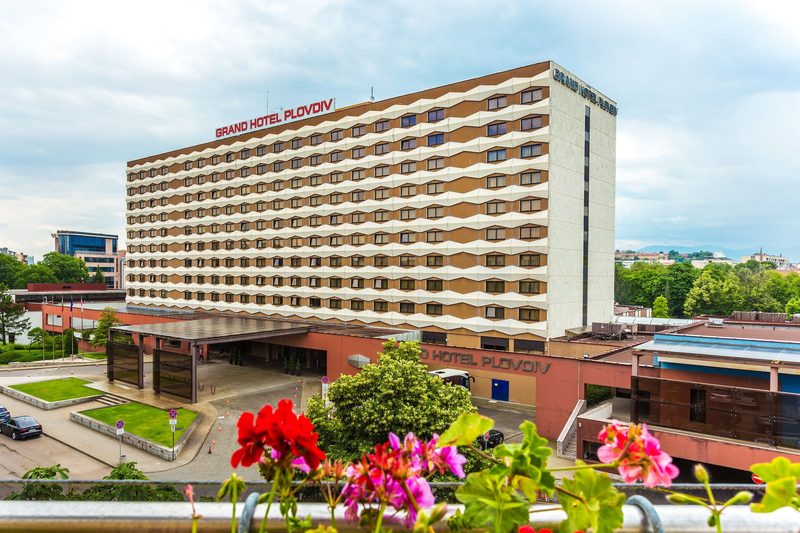
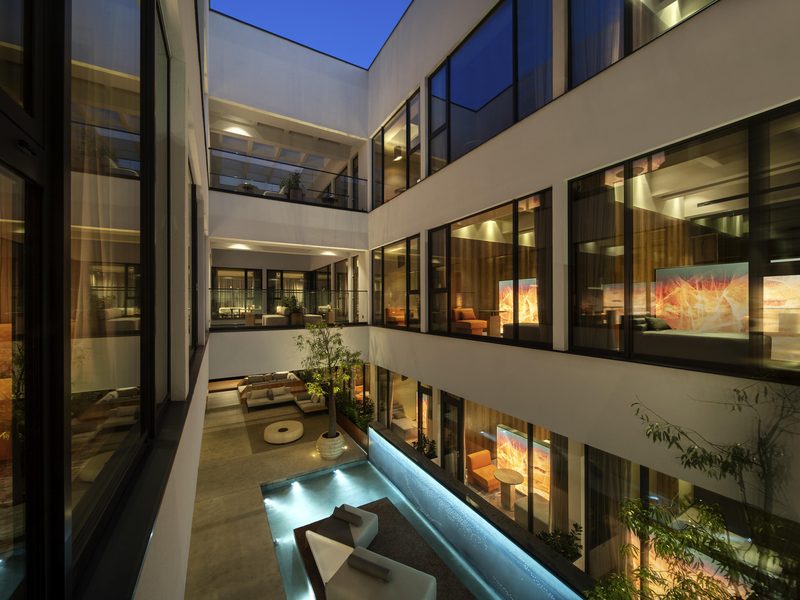
★★★★★
Luxury
The Emporium Hotel Plovdiv - MGallery Collection
From $166 / night
Check Prices on Trip.com →
Public Holidays in March
Dates that affect opening hours, transport and crowds
Ден на oсвобождението на България от Oсманско робство
Known in English as Liberation Day. Observed nationwide as a public holiday.
Ден на oсвобождението на България от Oсманско робство
Known in English as Liberation Day. Observed nationwide as a public holiday.
Packing Checklist
Bookmark this page — your progress is saved between visits
Need the full list with shopping links?
Climate-specific gear, brand recommendations, and what to leave at home.
View Plovdiv Packing List →Essential Tips
Insider knowledge and common pitfalls to avoid
Insider Knowledge
Buy a martenitsa on March 1 and wear it visibly. This shifts you from tourist to welcomed guest fastest. Bulgarians notice. They smile. Conversations start. When you spot your first blossoming tree, likely in Tsar Simeon Garden by mid-month, tie the martenitsa to a branch as locals do. It costs almost nothing. It earns more goodwill than any phrasebook effort.
The Old Town's south-facing terraces warm two hours before north-facing lanes. For outdoor coffee in March without shivering, head to benches along the southern slope below the Ethnographic Museum. Morning sun hits by 10 AM. Stone walls radiate warmth back. Nebet Tepe's north side stays cold and shadowed past noon.
The Central Hali, Plovdiv's covered market hall near Dzhumaya Mosque, is where locals eat and shop in March. Tourist-facing restaurants along Glavnata are fine. Central Hali stalls serve the same food cheaper to customers who reject bad versions. Bakery banitsa stays warm from the oven before 8 AM. Sirene cheese vendors offer tastes before purchase.
Navigate Kapana by wandering, not mapping. The old artisan quarter turned arts district has narrow, maze-like streets built originally to trap invaders. Kapana means the trap. GPS fails in tight lanes. Pick a direction. Walk until something catches your eye. Emerge somewhere unexpected. The district is small. You cannot get lost meaningfully. Just pleasantly disoriented.
Avoid These Mistakes
Avoid packing only for cold. March in Plovdiv swings roughly 11°C (20°F) daily. The gap between a 2°C (35°F) morning on Sahat Tepe's shaded side and a 13°C (56°F) afternoon in full sun on Glavnata is winter versus early spring. Removable layers are essential. One heavy coat fails here.
Never tackle the entire Old Town in one uphill push. Plovdiv spans seven hills, six in the central area. Old Town lanes involve real elevation changes on uneven cobblestones. Phone-mapped routes exhaust visitors by early afternoon. Split the Old Town into two or three shorter sessions. Intersperse with flat walks along Glavnata or coffee stops in Kapana. Your feet will survive the trip.
Skipping the Regional Ethnographic Museum in the Old Town because it sounds dry. The museum occupies the Kuyumdzhioglu House, one of Plovdiv's finest Revival-era symmetrical houses, and the building itself, carved ceilings, painted walls, the distinctive cantilevered second floor jutting over the street, is as much the point as the collection inside. In March you will likely have entire rooms to yourself, which means you can stand close enough to the wall paintings to see the brushstrokes.
Ready to plan your trip to Plovdiv?
Now that you've got the research covered, here's where to go next.
Explore More Activities in Plovdiv
Didn't see anything interesting yet?
Browse Viator's full catalog of tours, day trips, food experiences, and private guides in Plovdiv.
See All Plovdiv Tours on Viator